
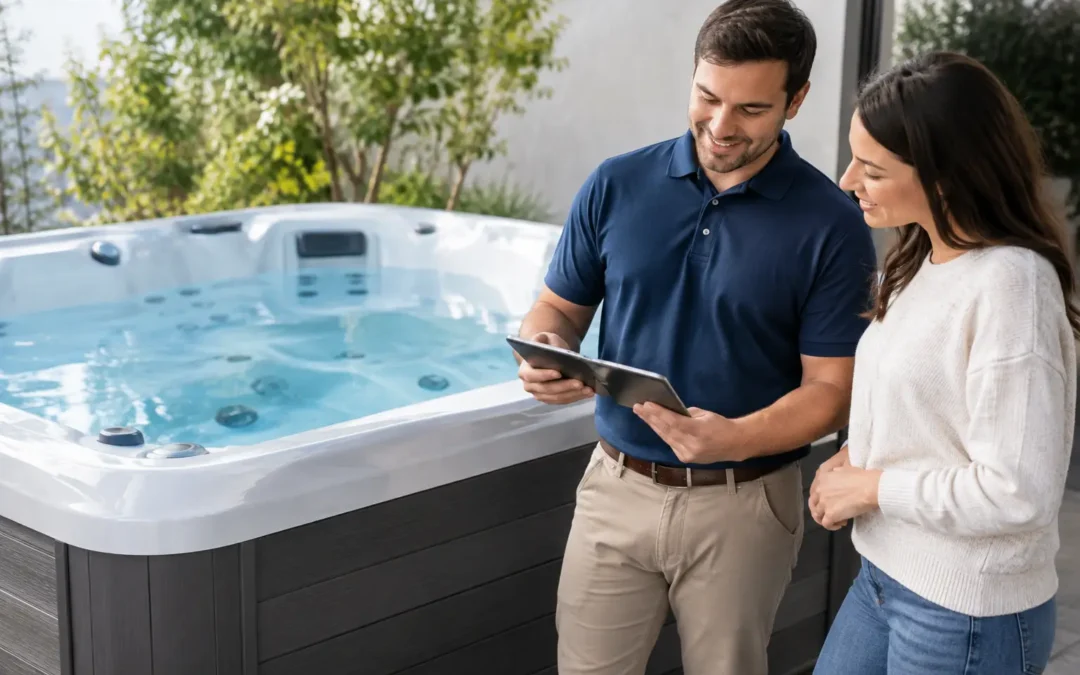
A hot tub may look like excellent value on the showroom floor, but the real test comes months or years later: when a pump needs attention, a control panel shows a fault code, or you need a replacement part. Imported spa warranty cover is therefore about far more than the length of a promise. It is about knowing who will help, what is included and whether practical support is available close to home.
Direct importing can make superior-quality hot tubs and swim spas more affordable. It can remove layers of distributor cost and help buyers access unbeatable prices. However, an imported model should never leave you feeling that you are on your own once installation is complete. A well-supported purchase combines sensible pricing with clear warranty terms, available parts and experienced engineers who understand the equipment.
What imported spa warranty cover should include
Warranty cover differs between makes, models and retailers, so there is no single answer that suits every spa. The key is to look beyond a headline such as “five-year warranty” and understand what that figure actually applies to. A long shell warranty, for example, may be valuable, but it does not necessarily mean the pumps, heater, plumbing or labour are covered for the same period.
Most hot tub warranties separate the spa into different areas. These commonly include the shell structure, shell surface, cabinet, frame, pumps, heater, blower, control system, plumbing and cover. Each component has its own expected lifespan and its own likelihood of needing service, which is why coverage can vary.
For a buyer, the most useful warranty is one that is clear about both parts and labour. A replacement part is only part of the solution if fitting it involves diagnosing the fault, visiting your property and recommissioning the spa safely. Ask whether call-out charges, labour and travel are included during the warranty period, or whether these sit separately from the manufacturer’s parts warranty.
The difference between a manufacturer warranty and retailer support
An imported spa can carry a manufacturer warranty, a retailer warranty or a combination of both. That distinction matters.
A manufacturer warranty may cover a component defect under stated conditions. Yet the practical route for making a claim can depend on the UK retailer or service provider. If the manufacturer is based overseas, sending a part abroad or trying to arrange technical support directly can be slow and frustrating for a homeowner.
A retailer with genuine technical knowledge can make the process much simpler. They can assess whether the issue is covered, source the right component, arrange an engineer where needed and keep you informed. This is especially reassuring for equipment such as circulation pumps, heaters and electronic control packs, where the symptom is not always the cause of the fault.
At Kiwi Spas, the focus is not simply on supplying a hot tub at a fair price. Ongoing servicing, repairs and access to genuine parts form an important part of helping customers enjoy their investment for years to come.
Questions worth asking before you buy
A warranty document should be easy to read, not something you need to decipher after a problem develops. Before placing an order, ask for the terms in writing and take a moment to check how the retailer handles support in practice.
The following questions will help you compare like for like:
- Which components are covered, and for how long?
- Does the warranty include parts, labour, call-out fees and travel?
- Who carries out repairs in the South East of England?
- Are replacement parts held in the UK or ordered from overseas?
- What maintenance, water-care and winter-use conditions must be met?
- Is the cover transferable if you sell your home or spa?
These questions are not designed to catch a retailer out. They help set fair expectations. A supplier that is confident in its products and service should be happy to explain the process in straightforward terms.
Ask about local service, not just a telephone number
For homeowners in Sussex, Hampshire, Kent or Surrey, a UK contact number alone is not the whole picture. Find out whether there are qualified engineers who can attend your area, whether they work on the specific brand and how faults are normally diagnosed.
Some problems can be resolved with guidance over the phone, particularly where settings, water flow or filters are involved. Others need an on-site inspection. Local technical support can reduce downtime and avoid the uncertainty of dealing with a distant supplier that has no established service network.
What a warranty usually does not cover
Even generous warranty cover has limits. A hot tub is a piece of outdoor equipment that relies on correct installation, safe electrical work, balanced water and routine care. Damage caused by neglect, misuse or unsuitable site conditions is unlikely to be covered.
Common exclusions can include cosmetic marks reported after delivery, accidental damage, frost damage caused by leaving the spa unheated, blocked filters, damage from poor water chemistry, and faults arising from unauthorised alterations. Covers are often treated separately because weather, handling and day-to-day use all affect their condition.
That does not make a warranty less worthwhile. It simply highlights why professional installation and a simple maintenance routine protect both your spa and your entitlement to support. Keep water treatment records where possible, clean filters as recommended and report unusual noises, leaks or error messages early. Small issues are often easier to resolve before they affect another component.
Your consumer rights still matter
A warranty is an additional promise. It does not replace your statutory rights when you buy from a UK business. Under the Consumer Rights Act 2015, goods must be of satisfactory quality, fit for purpose and as described.
The exact remedy available can depend on the circumstances and how long you have owned the spa. In the first instance, speak to the retailer that supplied it, as they are normally your point of contact for a product concern. Keep your invoice, installation paperwork and any written correspondence, as these can make discussions quicker and clearer.
This is another reason to be cautious about buying solely on the lowest online price. A hot tub is not a small parcel that can simply be posted back. If a fault occurs, you want a supplier with the knowledge, systems and local capability to deal with it properly.
Getting the best from your warranty
The best approach is to treat warranty protection as part of ownership rather than an emergency document. Register the product if required, read the care guidance supplied with your spa and use qualified professionals for any work involving electrics, plumbing or controls.
Regular servicing can also be a sensible choice, particularly for households that use their hot tub throughout the year. An engineer can check circulation, seals, heater performance, jets and control settings before a minor concern becomes a bigger repair. It may not prevent every component failure, but it supports safe, efficient operation and gives you greater confidence in the condition of your spa.
A direct-imported hot tub can offer excellent value without compromising on reassurance, provided the after-sales support is every bit as considered as the initial purchase. Choose clear terms, realistic cover and a retailer ready to answer the phone when you need help. That is what turns a relaxing garden feature into an investment you can enjoy with confidence.